Source stays clean
Use utm_source=meta and utm_medium=paid_social consistently across the batch.
Meta Ads / Bulk UTM / Attribution setup
When several products or landing pages need Facebook and Instagram traffic, keep the URL pattern simple: one Meta batch, readable campaign names, and a quick GA4 Realtime check before spending.
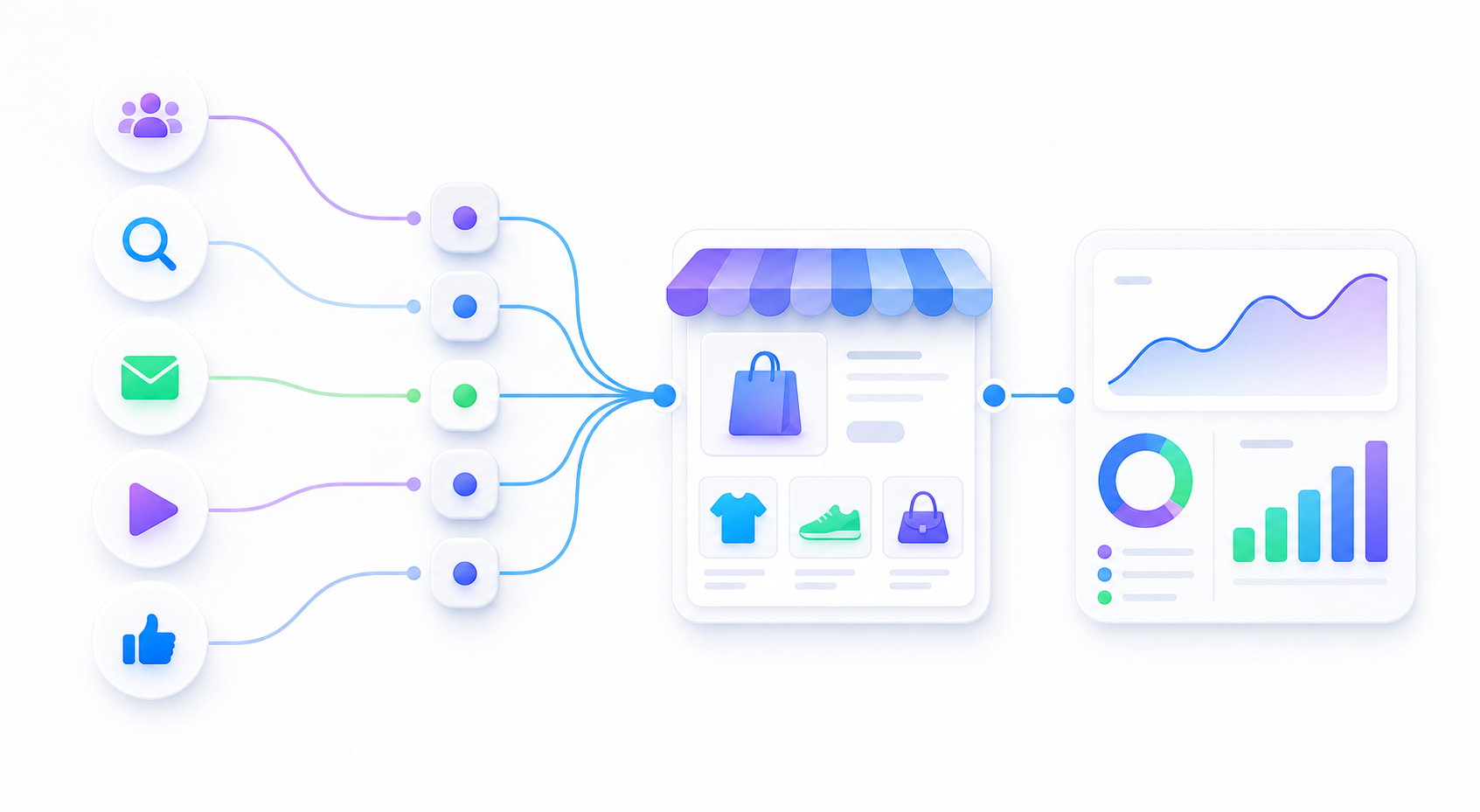
Use utm_source=meta and utm_medium=paid_social consistently across the batch.
Use a campaign prefix and content labels for products, creatives, creators, or angles.
Click one generated URL and confirm the visit appears in GA4 Realtime before scaling spend.
This is easier to inspect than a macro-heavy URL. Add Meta placeholders later if you already know how the account expands them.
facebook, fb, instagram, and meta as separate source values without a plan.FAQ
Yes. Use one batch for Meta Ads, set source to meta and medium to paid_social, then export final URLs for Facebook and Instagram ads.
Start with readable static UTMs first. Use dynamic Meta placeholders only after you have confirmed the exact token behavior inside the ad account.
Open one generated final URL, confirm the destination and UTM parameters survive redirects, then check GA4 Realtime for source, medium, campaign, and content.